I first went to the Barbican when I was seventeen. I hadn’t planned it. I was killing time in London, moving without direction, and somehow ended up there. I remember stepping off the street and feeling like I’d crossed into another city entirely. Everything slowed down. The sound changed. The concrete seemed to press in and open out at the same time. I stayed longer than I meant to.
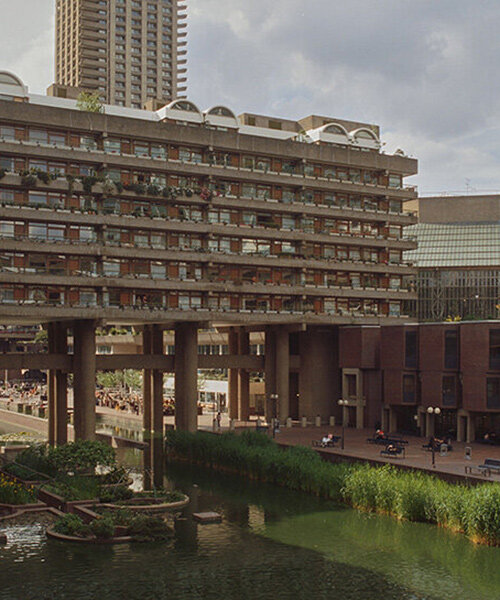
Built in the aftermath of the Blitz, the Barbican Estate sits on land that once held absence rather than structure. Its towers, walkways, and lakes were part of a post-war belief that cities could be rebuilt with purpose and optimism. Designed in the 1960s and completed in the 70s, it doesn’t try to charm, but its levels, its corners, its refusal of easy navigation create this amazing ethereal atmosphere.
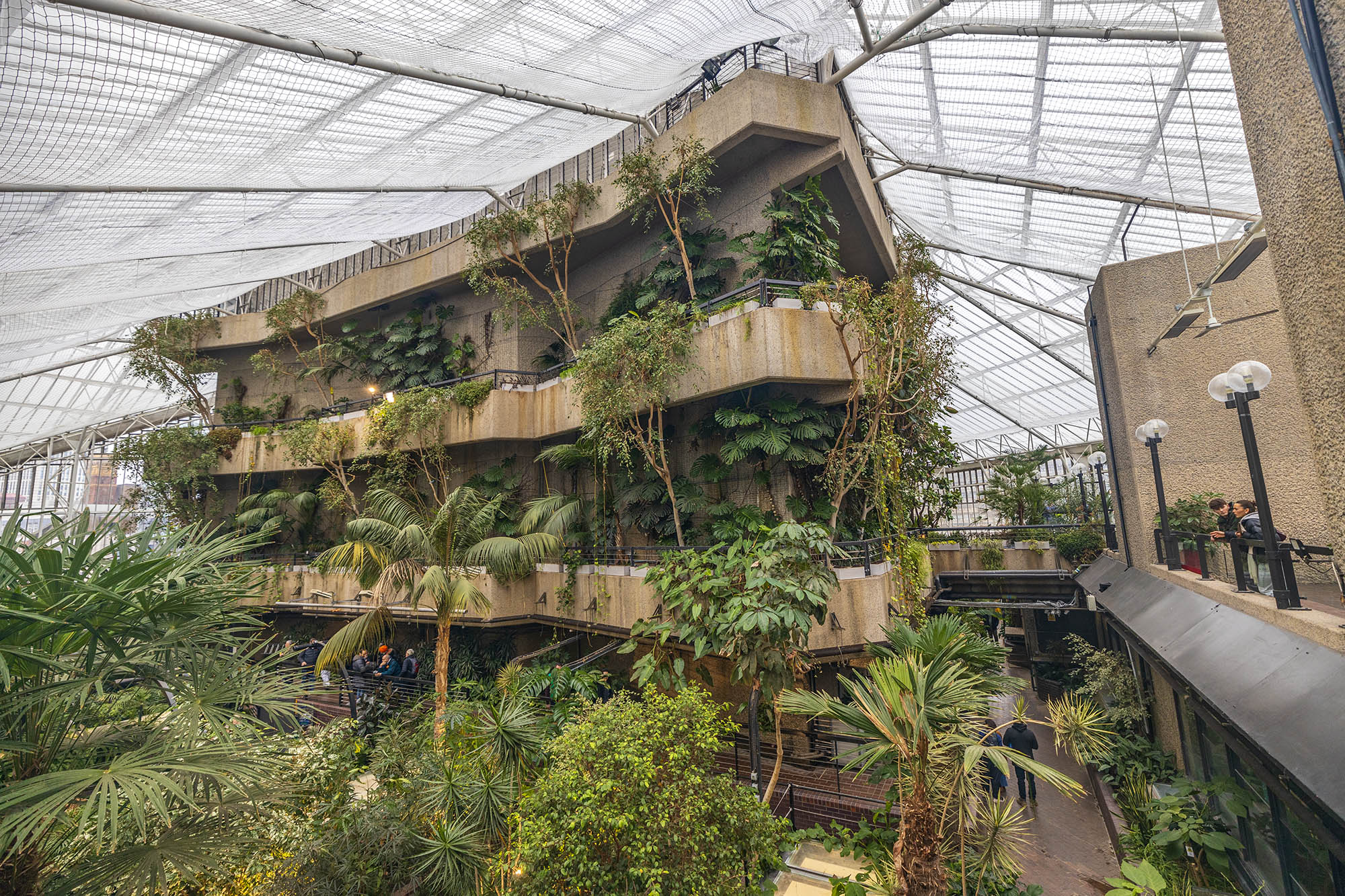
What I return to most is the Conservatory. You climb up through concrete, and suddenly everything changes. Warmth. Green. Moist air on glass. Plants that feel slightly out of place, thriving above a rigid, ordered mass. It never feels decorative. It feels intentional, like a pause built into the structure.
I’ve gone back many times since that first visit. The Barbican still resists quick understanding, which is why I value it. It rewards staying, looking again, letting the space work on you. That early encounter shaped how I think about architecture, not as background, but as something that actively affects how you move, wait, and exist.

